Article
Why Is Tipping Part of the US Wage System, Not Just Etiquette?

A customer might spend $100 on dinner and leave the tip line blank. The meal is paid for, but the server may have earned less than expected. That gap explains the importance of tipping in the US better than any etiquette rule. In many restaurants, gratuities are a regular part of what employees take home. Some customers see a tip as a reward for unusually good service. Workers may have already counted on those dollars as part of their pay. That's why tipping matters, even when leaving extra is legally optional.
Tipping in the US Wage System
The federal rules explain why restaurant pay can look strange on paper. In Texas, restaurants may pay eligible servers just $2.13 an hour before tips. Those tips count toward the federal $7.25 hourly minimum through a system called the tip credit. A slow week doesn't give the restaurant permission to pay below the required minimum. For a Texas server working 40 hours, that adds up to at least $290 with tips included. California doesn't allow a tip credit, and restaurants there pay at least $16.90 an hour before tips. I always check state rules before comparing pay across bars and restaurants.
What Happens to a Server's Income When Customers Don't Tip?
To understand why tipping matters, consider a server with four $100 checks before tax. At an 18% tip, that's $18 per table, or $72 in total. But if two tables leave nothing, the server gets only $36. That's $36 less from one dinner shift, before any tip sharing. That's hardly a small loss. The law guarantees minimum pay, but it doesn't automatically replace tips above that minimum. Those missing dollars might explain the importance of tipping in the US.
Why Skipping a Tip Can Affect Other Restaurant Employees
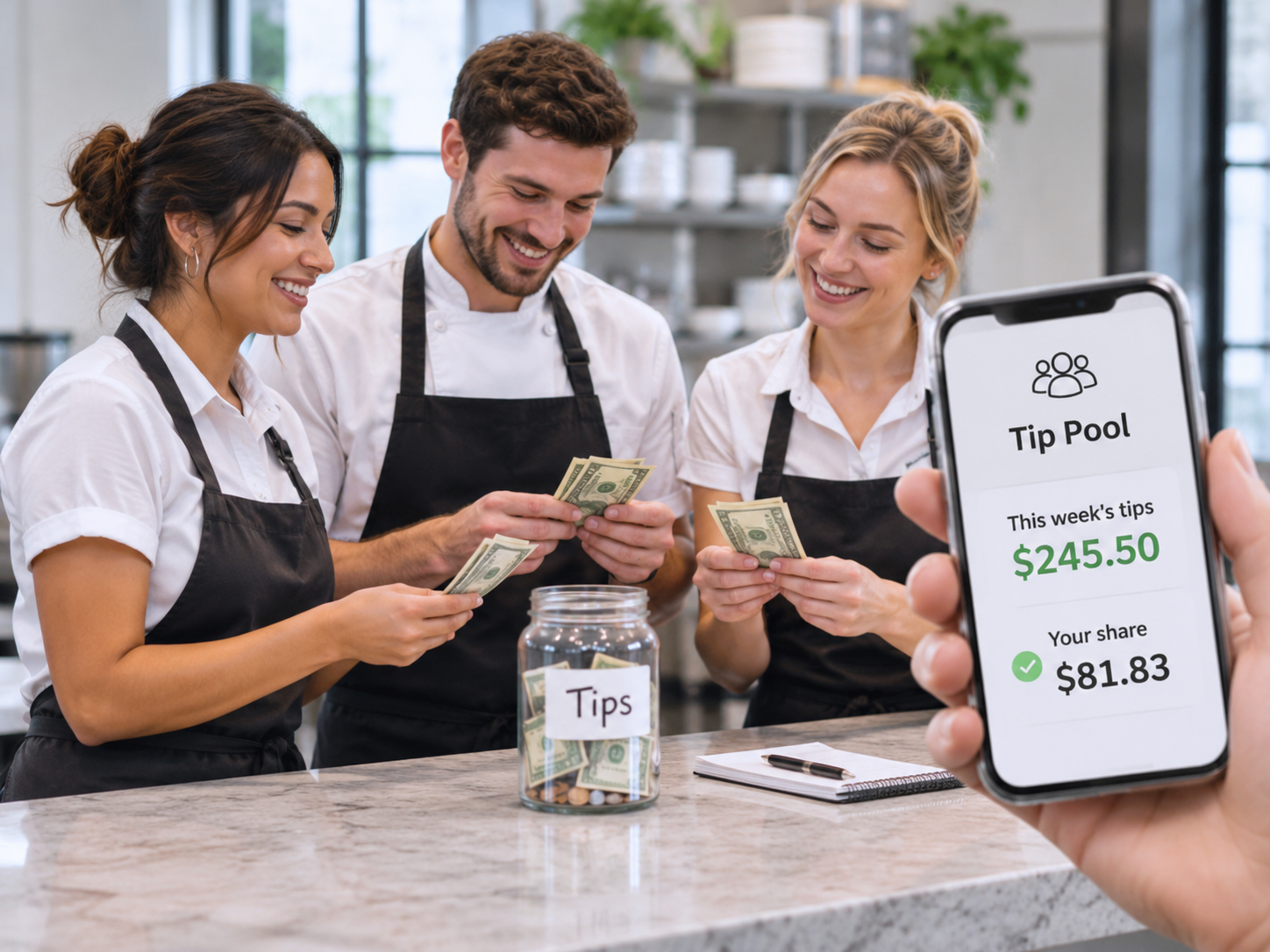
A server doesn't always take home every dollar left at their tables. In some restaurants, bartenders and bussers get a share after the shift. If a table leaves nothing, the team has less to share. Federal rules also determine which employees can participate in these pools. Restaurants using a tip credit can require tip sharing only among employees who customarily receive tips. Those paying the full minimum wage without a tip credit may include kitchen staff. Managers and supervisors cannot take money from employee tip pools.
Why Tourists Often Misunderstand American Tipping Culture
In much of Europe, restaurant tips are smaller and less expected than in the US. Visitors may expect something similar when they dine at American restaurants. Some assume that paying the restaurant bill is enough. They may leave extra only when the service is unusually good. I can see why travelers ask, "Why do we tip?" after a meal. I usually tip my server even when dinner is nothing special. For visitors, that extra expense can come as a surprise.
What Do Americans and Foreign Visitors Think About Tipping?
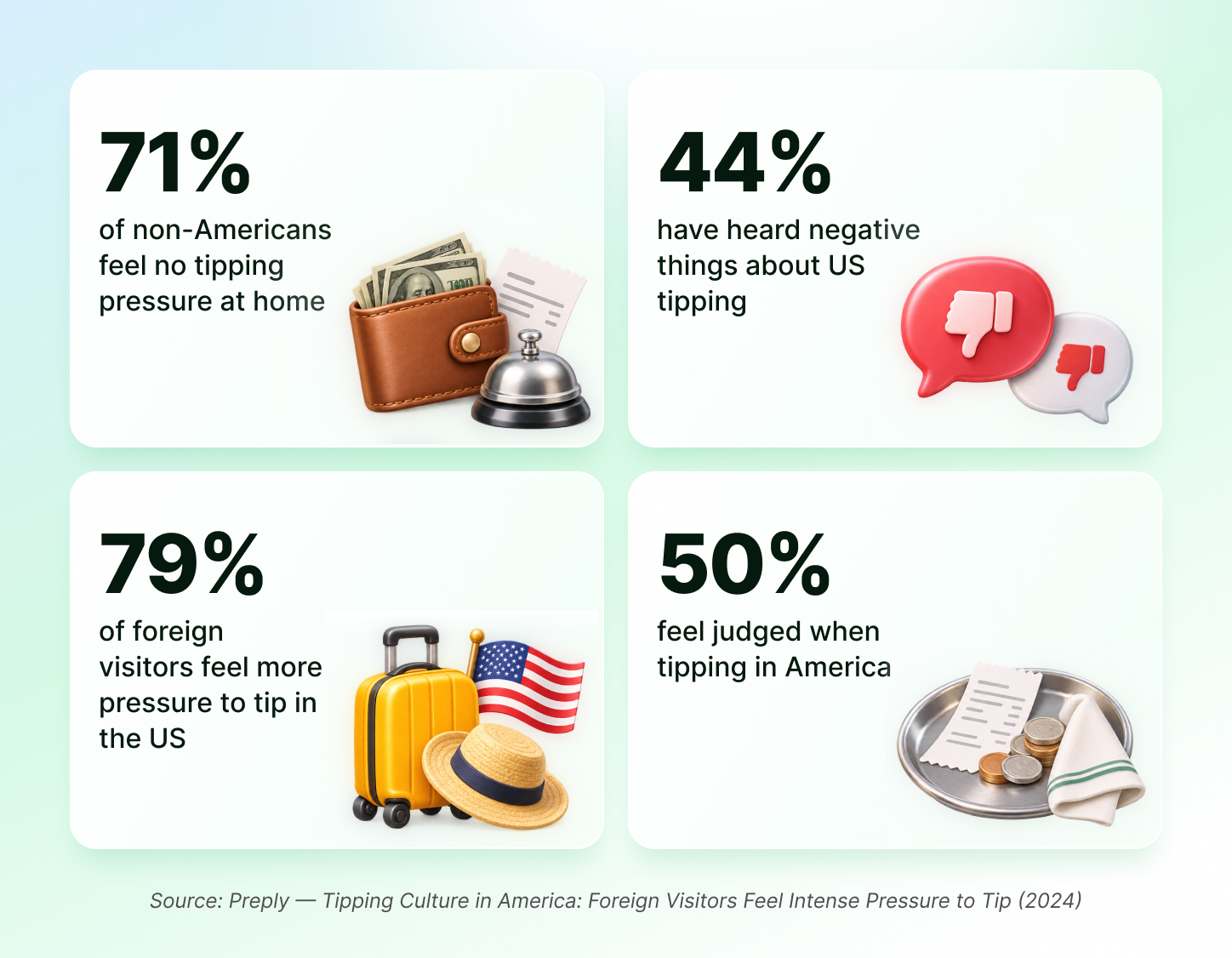
WalletHub's March 2026 survey found 81% of respondents thought tipping had gotten out of control. The sample included just over 200 people, so that result doesn't necessarily reflect national opinions. In February 2026, Omni Calculator asked 500 American adults about their tipping habits. At sit-down restaurants, 93% said they tipped often or always. Toast recorded a 19.1% average tip on full-service card and digital payments in Q2 2026. Preply's 2024 report found 79% of foreign visitors felt greater tipping pressure in America. The survey dates back to 2023, offering an earlier look at how tourists viewed American tipping.
Tipping at the Counter vs. the Table
At a bakery, a 20% tip option might appear before the coffee is even ready. Restaurants often suggest that percentage after a server has spent an hour attending to a table. Those two situations aren't equal. Tipping after table service is expected, but at a counter, the decision depends on the service. The question "Why do we tip here?" comes down to the service received. Leaving a dollar for the barista can feel reasonable, depending on the experience. A suggested percentage doesn't mean the customer has to pay it.
Does Tipping Matter When Restaurants Add Service Charges?
An 18% service charge on the check raises the question of who gets that money. The receipt doesn't always say whether any of that money reaches the server. The IRS treats mandatory service charges as restaurant revenue, even if employees receive part of them. Any money the restaurant pays out to workers is reported as wages. Some restaurants pass the charge along to staff, while others keep a portion, subject to local laws. It's better to ask about the restaurant's policy before adding another tip. Leaving more is entirely up to you.
Why Is Tipping Important for Visitors and US Residents?
Why is tipping important for anyone dining in the US? I include tips in my dining budget because they add to the final cost. For sit-down service, it’s usually 15–20% of the pre-tax bill. For an $80 meal, set aside $12–$16 for the tip. It's a good reference for anyone checking how much to tip in the US. At a coffee shop, dropping a dollar into the tip jar is perfectly fine. When dining with a group, check the receipt for an automatic gratuity. If it's already included, there's no need to automatically add another percentage.
References:
- https://www.dol.gov/agencies/whd/state/minimum-wage/tipped
- https://www.dol.gov/agencies/whd/fact-sheets/15-tipped-employees-flsa
- https://wallethub.com/blog/tipping-survey/135092
- https://www.omnicalculator.com/reports/tip-survey
- https://pos.toasttab.com/blog/data/restaurant-tipping-trends
- https://preply.com/en/blog/tipping-culture-in-america/
- https://www.irs.gov/businesses/small-businesses-self-employed/tip-recordkeeping-and-reporting