Article
What Is Tipping Etiquette in the US?

Every time I see a tip line on a restaurant bill, I know what's expected. Most Americans do, even if nobody explicitly asks for extra money. But I've never been entirely comfortable with calling something voluntary when refusing feels rude. I think tipping etiquette has made it harder for diners to leave nothing without feeling guilty. The standard tipping meaning sounds innocent enough: a small reward for someone's work. The moral aspect of tipping begins when that reward becomes part of a worker's expected income.
How Do Tipping Practices Differ Across Major US Cities?
Tipping expectations need to be considered alongside local wage laws. New York, Chicago, Seattle, and San Francisco have different rules, and each city has its own debate about fair pay.
New York City: Why Tips Still Matter to Workers' Pay
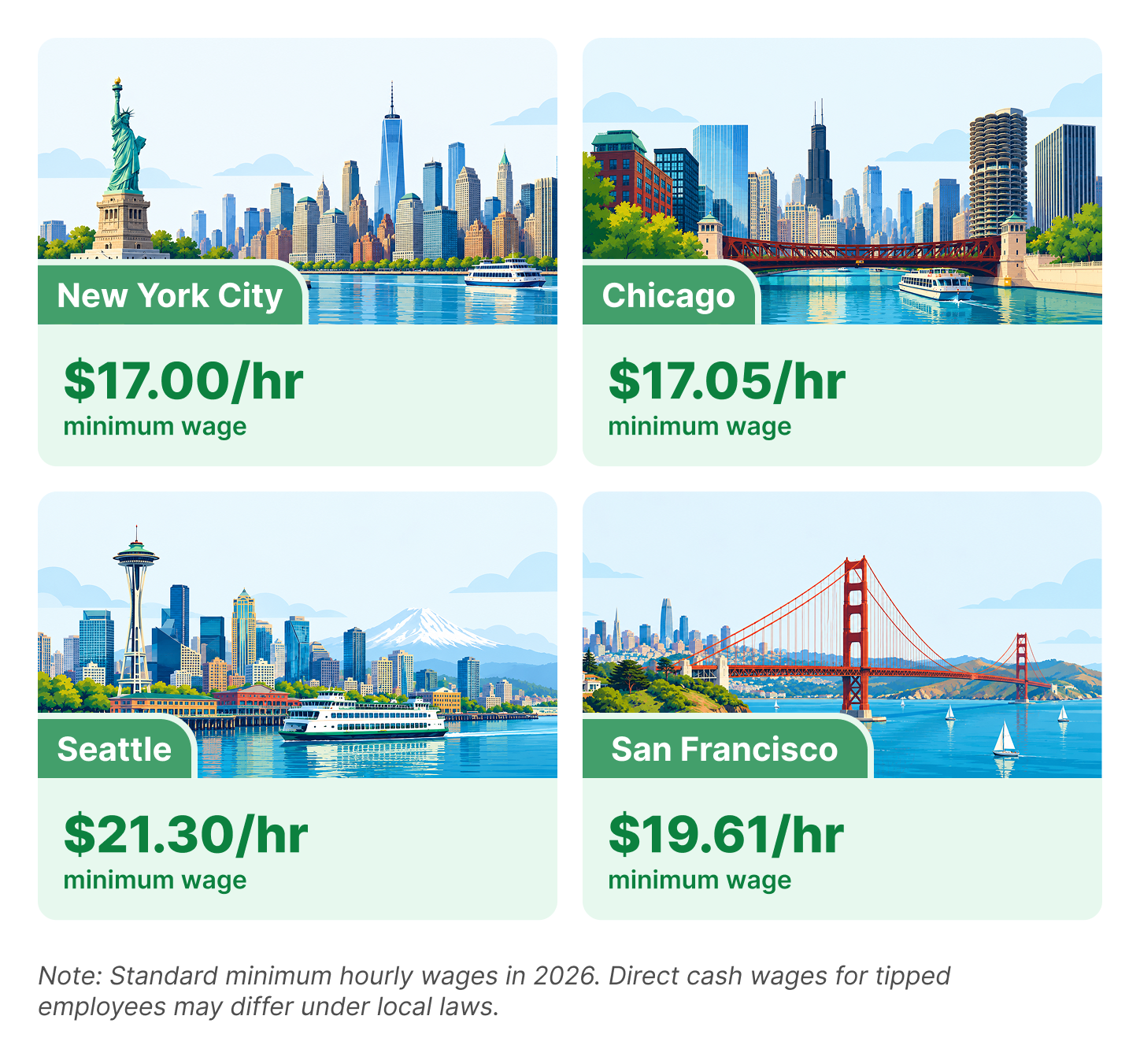
I look at a $100 restaurant check differently in New York after reading its wage rules. The city allows tipped food-service workers to receive $11.35 hourly in direct pay during 2026. Another $5.65 may come from tips to reach the $17 legal minimum. If tips aren't enough to reach $17 an hour, the restaurant has to make up the difference. That protects the wage floor, though some shifts still bring much better earnings than others. This is why a server cares about my tip, even on an ordinary Tuesday.
Chicago: A Wage Debate That Changed Course
If one city captures the argument this year, Chicago might be it. In May, its City Council voted to pause planned increases to the tipped minimum wage. What caught attention was the difference in deadlines. Chicago's larger restaurants now have until 2030 to reach the full minimum wage. Smaller businesses get three additional years. Restaurant owners raised concerns about labor costs, but worker advocates opposed the delay. There’s no winner in that decision, especially for workers counting on those raises.
Seattle: Does a Higher Wage Change What Diners Owe?
Seattle raises questions about what actually counts as a fair tip. Every employer must pay at least $21.30 an hour in 2026, before any customer gratuity. Tips sit above that pay; employers cannot count them toward the city's minimum. A higher floor doesn't tell me what a server earns across a month. It does help explain why diners might question automatic tips for counter service. The work involved in serving a sit-down meal should still count when deciding how much to tip, without treating one wage figure as the whole story.
San Francisco: What Will Dinner Actually Cost?
The full cost of dinner should be clear before anyone orders their first drink. In San Francisco, that question has a legal backdrop. As of July 2026, San Francisco workers must earn at least $19.61 an hour. Restaurants in California can still charge mandatory fees beyond the advertised food price. They have to disclose those fees clearly, though plenty of diners might miss the fine print.
What Has Changed in American Tipping Culture in 2026?
Our frustration with tip prompts doesn't seem unusual this year. Popmenu's 2026 research found 78% of consumers thought tipping culture had become ridiculous. Its survey also found 40% were actively cutting back on tips. Yet Toast recorded 19.1% average card and digital tips at full-service restaurants in Q2 2026. Popmenu asked people how they felt, while Toast tracked actual payments. It's possible to feel tired of constant tip requests and still leave 20% after dinner.
Why Is Tipping Becoming More Controversial?
The fairness argument goes well beyond the usual percentage debate. Imagine two tables receiving excellent service from the same server. One leaves $25; the other leaves $4. The cook who fixed a timing mistake may never see either amount. This is the part of etiquette on tipping that deserves tougher questions. Rewards depend on the work, a guest's habits, and quite a bit of luck.
How Is the Rising Cost of Living Affecting Tips?
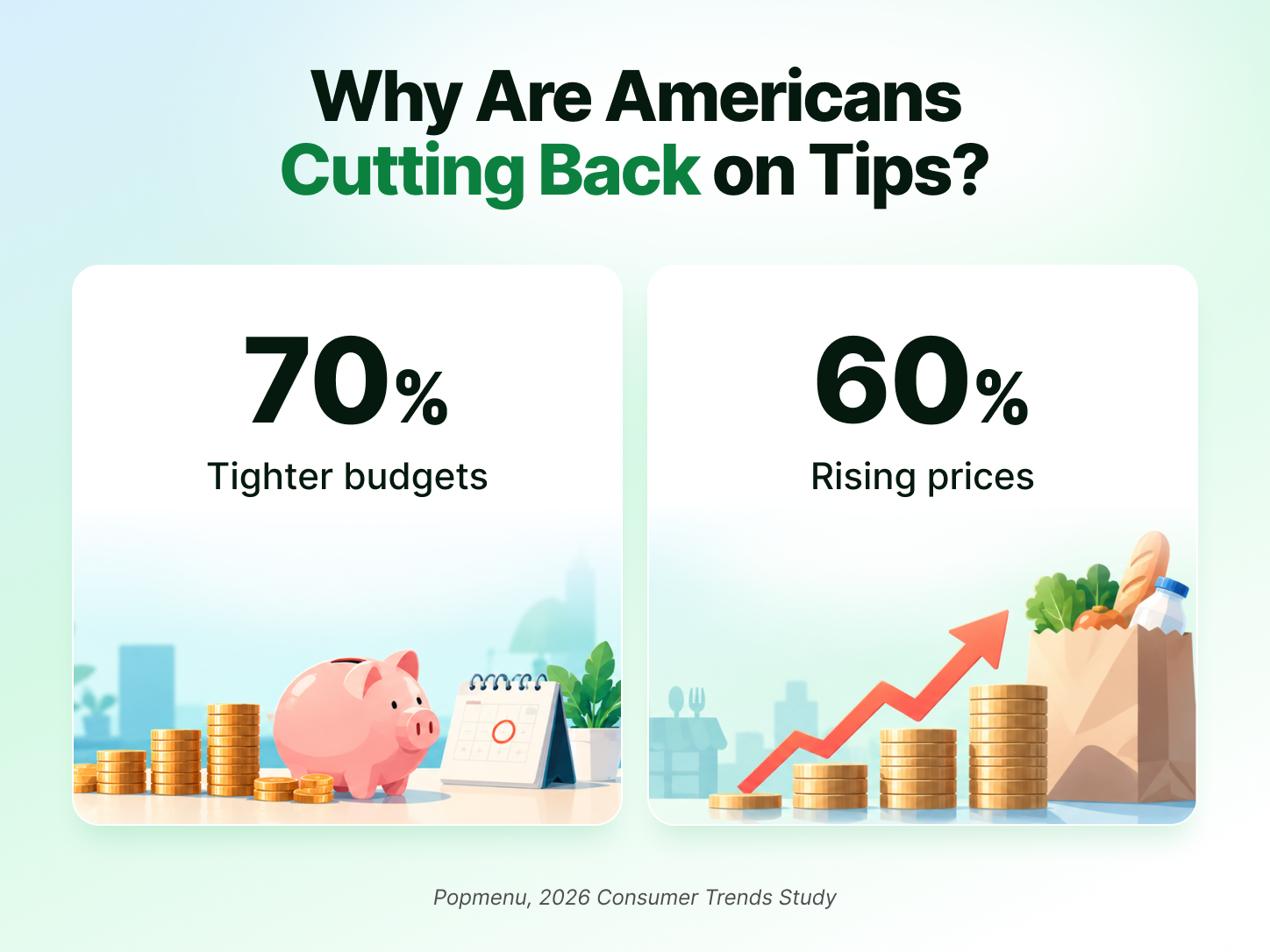
Leaving $15 after a good dinner can feel perfectly reasonable. But if the meal already costs more than expected, that amount deserves a second thought. There's only so much room in a monthly budget for eating out. That sentiment appears in Popmenu's 2026 research. Among people reducing their tips, 70% mentioned budget constraints and 60% cited rising prices. Many of them would probably leave more if they had the money.
Who Should Pay for Service: Customers or Employers?
Why do so many American restaurants and bars still build tipping into their business model? Part of the answer comes down to menu prices. A $24 entrée looks cheaper than a $29 entrée, even if the final bills end up close. Customers are already accustomed to adding a tip, so owners have little reason to change that setup. I understand the business logic, though restaurant pricing could be easier to judge upfront. Guests end up influencing employee earnings without knowing much about the restaurant's payroll. The gratuity moral issue is whether customers should have that much responsibility in the first place.
How Do Minimum Wage Laws Affect Restaurant Tips?
Some restaurant servers receive $2.13 an hour before tips under federal law. Their employers must make sure their total pay reaches at least $7.25 hourly. Florida offers a good comparison, with its minimum wage reaching $15 an hour in September 2026. Eligible tipped workers there must receive at least $11.98 directly from employers. People know they're expected to tip, but few know what restaurants must pay. That part rarely appears in tipping etiquette guides.
Are No-Tip Restaurants a Fairer Alternative?
I like the idea of finishing dinner without calculating another percentage. Two restaurants have adopted policies that allow exactly that. At Kodachaya, which opened in New York in July 2026, guests use kiosks or QR codes to order. Staff bring the food, and there's no tip to calculate afterward. Bevri in Palo Alto also operates without customer tips or required service charges. Paying the listed price and leaving sounds pretty appealing. Some diners might find those higher prices hard to accept.
Should I Tip When Service Is Already Included?
If a restaurant adds 20% to my bill, I want to know what that money covers. The word "service" makes me think the staff will receive it. But under IRS rules, required charges belong to the restaurant's revenue. Any money later paid to employees counts as wages. I have no idea how much of that fee reaches my server. That's what bothers me about automatic charges, especially when the payment screen asks for another tip.
Why Do Payment Screens Make Customers Feel Guilty?
I don't mind leaving a few dollars at a coffee shop. But making that decision with someone standing there watching feels uncomfortable. Sometimes it's easier to press a suggested amount just to finish paying and leave. In Omni Calculator's 2026 survey, 66% of respondents felt pressure when employees could see their tip choices. Etiquette on tipping should leave the customer comfortable saying yes or no.
Conclusions: Can Tipping Become Fairer?
After looking at the situation in these cities, I wouldn't call tipping the main problem. It's the uncertainty around who pays what. Restaurant owners worry about labor costs, and servers have legitimate concerns about losing income. Diners can't solve those problems by leaving a few extra dollars. USA tipping etiquette can help customers choose an amount after a good meal. Ideally, American tipping culture will reach a point where the restaurant's regular prices cover dependable staff pay.
References:
- https://www.irs.gov/businesses/small-businesses-self-employed/tip-recordkeeping-and-reporting
- https://ag.ny.gov/resources/individuals/workers-rights/wages-pay
- https://news.wttw.com/2026/05/20/delay-end-tipped-minimum-wage-2-years-chicago-city-council-agrees
- https://www.seattle.gov/laborstandards/ordinances/minimum-wage
- https://media.api.sf.gov/documents/2025_MWO_poster_June2025.pdf
- https://get.popmenu.com/toolkit/consumer-trends-study-2026
- https://pos.toasttab.com/blog/data/restaurant-tipping-trends
- https://www.omnicalculator.com/reports/tip-survey
- https://www.bevri.com/about
- https://www.prnewswire.com/news-releases/kodachaya-opens-in-nycs-koreatown-bringing-retro-seoul-and-korean-pocha-culture-to-midtown-manhattan-302868055.html
- https://www.dol.gov/agencies/whd/fact-sheets/15-tipped-employees-flsa