Article
The 'Tipflation' Debate: When Gratitude Becomes Expectation
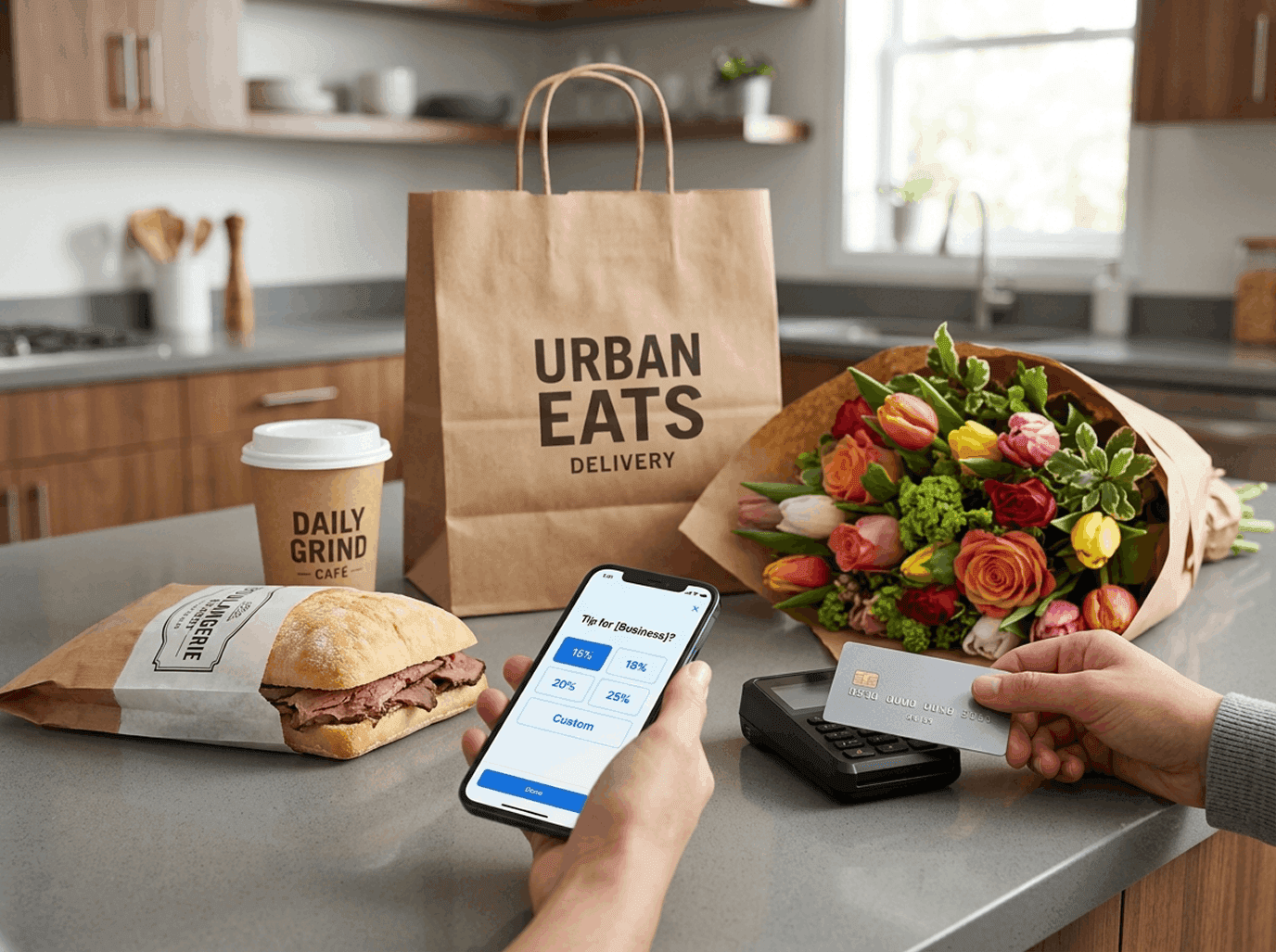
You’ve probably seen people having discussions online, heard someone at a coffee shop grumbling about the extra dollar they dished out, or wondered if your 20% tip is still enough for above-average service at a restaurant. Tipflation is a topic on a lot of people’s minds, and it can cause a lot of confusion when going out for the evening or even while running errands.
Even the most generous tippers may be experiencing tipping fatigue, or at the very least, are unsure where, when, and how much to tip. So, when does gratitude become an expectation, and should tips be expected in the first place? Let’s take a look at tipflation and how it’s impacting the customer and employee experience post-pandemic.
What Is Tipflation?
Tipflation is (in part) an increase in the percentage that people tip on average. While the social norm in the United States was 10%-20% in the past, this number has gone up in recent years. While it was once 15%, now, 18% is typically the standard, even if the service was short of exceptional.
Since the pandemic, anything under 18% has become the norm. If you tip less than that, many bartenders or servers may question whether you were unhappy with the service.
So, did this increase in tipping go up overnight? If so, why? Tipflation all started during the Covid-19 pandemic.
When Did Tipflation Begin?
By most accounts, tipflation began (or at least began being noticed) in 2020. With government-mandated closures and safety issues that affected many service-based jobs related to COVID-19, people began to tip more. Many also tipped more often than they had in the past.
Much of the country was sheltering in place at the start of the pandemic, but essential workers in restaurants and other industries were still working. Because of the risk they were taking, there was a trend toward tipping extra as an act of kindness. This is because workers in the food industry, hospitality, and transportation sectors risked their safety and health providing essential services.
Going out felt like a privilege after many people sheltered in place for weeks or even months at a time. A combination of sympathy, guilt, and excitement to return to socializing drove tipflation early on after businesses began to reopen. According to the National Library of Medicine, shipping went up in restaurants, fast food businesses, and delivery services that year. This reversed a downward trend that had started several years before the pandemic.
Breaking Down Tipflation
Tipflation isn’t only related to the tip average increasing. While this is one aspect of the recent surge in tipping, it only tells one part of the story. Tipflation also has to do with a few other factors. You can learn more about each below.
Tipping Spread to More Industries
With the increase in tipping early on in the pandemic, it began to feel not only like tip percentages were going up, but you began to see tipping become more common across different sectors. Industries that previously didn’t expect tips began receiving them, partly as a token of generosity for working through the pandemic, and partly because “tip creep” set in. Customers began tipping service workers that they previously hadn’t, making tipping a norm for more jobs than ever before.
Industries that customers began tipping more during and after the pandemic include:
- Coffee shops.
- Retail stores.
- Delivery apps.
What was once limited to only a few professions, tipping was becoming more common in industries it previously hadn’t been, like grocery stores and other retail businesses.
Social Norms
One reason why tipping increased during the pandemic is that it became common to tip higher percentages and tip more often. Peer pressure can make people feel like they need to be more generous, even when they aren’t used to tipping in that scenario. The Miami Herald reported in 2024 that more than 70% of people surveyed feel pressured to leave a tip.
Whether it’s due to people trying to impress friends and family or not wanting to upset workers and customers, the social norm of tipping influences people to tip. Tipflation created a shared sense that you should tip more, even when you don’t necessarily want to.
Tip Prompts
Digital point-of-sales systems became more common during the pandemic. Whether having a meal at a restaurant or picking up groceries, using an iPad or computer kiosk to process the order became more and more common.
Popular POS systems like Square often have built-in tip prompts for the customer. They can be set up to custom-made amounts or pre-set to “Smart Tip” mode. “Smart Tip” is used by many businesses and is set at a percentage or dollar amount. One contributing factor to tipflation is that when the screen is set to this mode, anything under $10 is preset with the option of $1, $2, or $3. When coffee shops and takeout restaurants began doing this, it became common to tip as much as 100% on a cup of coffee. While tips didn’t increase as substantially in full-service restaurants (percentage-wise), they did in takeout businesses and coffee shops.